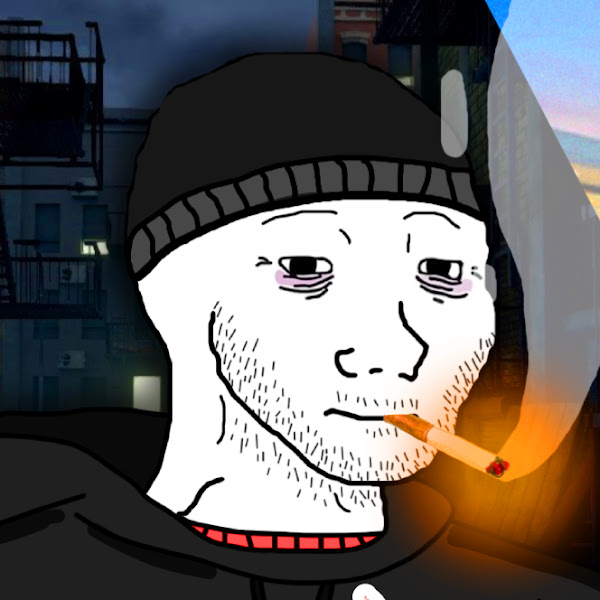
Who is Wojak featured in Only Budget Stories videos?
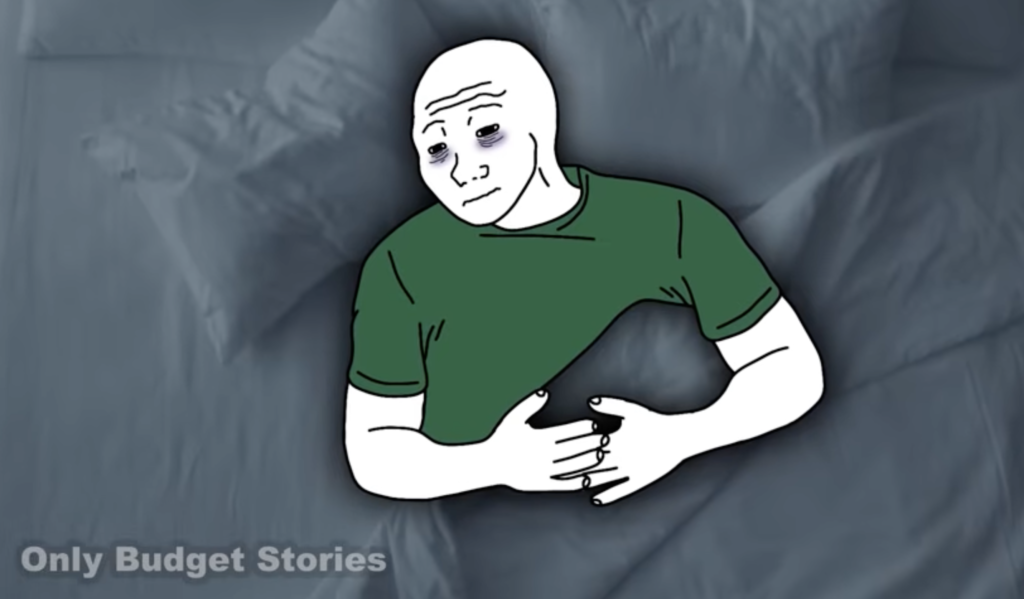
https://www.youtube.com/@OnlyBudgetStories
What Is Wojak?
Wojak is a minimalist, black-and-white drawing of a human face, usually shown with a sad, empty, or emotionally exhausted expression. The character is often used to represent feelings like loneliness, anxiety, social awkwardness, regret, or existential dread.
Unlike flashy memes that rely on punchlines, Wojak memes focus on emotion. They capture thoughts and feelings many people struggle to put into words, which is why the character feels so relatable.
What Is Wojak?
Wojak is a minimalist, black-and-white drawing of a human face, usually shown with a sad, empty, or emotionally exhausted expression. The character is often used to represent feelings like loneliness, anxiety, social awkwardness, regret, or existential dread.
Unlike flashy memes that rely on punchlines, Wojak memes focus on emotion. They capture thoughts and feelings many people struggle to put into words, which is why the character feels so relatable.
The Origin of Wojak
Wojak first appeared around 2009 on a Polish imageboard. The name “Wojak” comes from the Polish word wojak, meaning “soldier” or “fighter.” Early versions of the character were used to express sadness and vulnerability in online discussions.
The meme slowly spread to larger platforms like 4chan, where it became widely known as “Feels Guy.” This version often appeared alongside phrases like “I know that feel, bro,” which helped solidify Wojak as a symbol of shared emotional pain.
As meme culture evolved, Wojak evolved with it.
Why Wojak Became So Popular
Wojak’s popularity comes down to three main factors:
1. Simplicity
The drawing is intentionally crude. This makes it easy to edit, remix, and adapt into new situations. Anyone can create a Wojak meme with basic tools.
2. Relatability
Wojak represents emotions many people experience but rarely talk about openly—failure, isolation, jealousy, nostalgia, and fear of missing out.
3. Internet Anonymity
Online spaces allow people to express feelings they might hide in real life. Wojak became the perfect emotional avatar for anonymous internet users.
Popular Wojak Variants Explained
Over time, Wojak has spawned dozens of variations, each representing different personalities, emotions, or social archetypes.
Classic Wojak
This is the original sad face. It’s usually used to express loneliness, emotional pain, or quiet acceptance of reality.
Doomer Wojak
Doomer Wojak wears a black beanie and has tired, hollow eyes. He represents nihilism, depression, burnout, and a sense that the future is bleak. This version became especially popular during times of global uncertainty.
Bloomer Wojak
Bloomer Wojak is the optimistic counterpart to Doomer. He represents self-improvement, hope, and personal growth. Bloomer memes focus on working out, building discipline, and finding meaning.
Zoomer Wojak
Zoomer Wojak reflects younger internet users. Often chaotic and ironic, this version plays on fast-paced humor, internet slang, and generational differences.
NPC Wojak
NPC Wojak became popular as a satirical take on people who follow trends or opinions without questioning them. While controversial, it shows how Wojak is often used for social commentary.
Chad vs. Wojak
In many memes, Wojak is contrasted with “Chad,” a confident, successful character. These memes exaggerate insecurity versus confidence, often poking fun at unrealistic standards of success.
Wojak as Social Commentary
Wojak isn’t just a meme—it’s a mirror. Many Wojak memes comment on modern life, including:
- Social media pressure
- Dating struggles
- Job dissatisfaction
- Economic anxiety
- Loneliness in digital spaces
Instead of mocking individuals, Wojak memes often critique systems, expectations, and cultural norms. That’s why they feel more thoughtful than typical joke memes.
Is Wojak Always Negative?
Not necessarily. While Wojak is often associated with sadness, many versions explore growth, acceptance, and humor through self-awareness.
Some memes use Wojak to say, “Life is hard, but we’re all dealing with it together.” That shared understanding is part of what keeps the character relevant.
Wojak doesn’t always represent giving up—it often represents recognizing reality.
Wojak and Modern Internet Culture
Wojak fits perfectly into today’s meme-driven communication style. Instead of long explanations, people use images to express complex emotions instantly.
In a way, Wojak is emotional shorthand. One image can communicate burnout, irony, longing, or self-reflection without a single sentence.
This is especially important in an era where attention spans are short, but emotional struggles are common.
Controversies Around Wojak
Like many popular memes, Wojak has been involved in controversy. Some versions have been used to mock or stereotype groups, which has led to criticism.
However, Wojak itself is neutral. It’s a tool, and how it’s used depends on the creator. The majority of Wojak memes focus on humor, self-deprecation, or cultural observation rather than harm.
Why Wojak Still Matters
More than a decade after its creation, Wojak remains relevant because it adapts. As internet culture changes, new Wojak variations emerge to reflect new anxieties, trends, and realities.
Wojak survives because it’s human. Imperfect, emotional, and honest.
Final Thoughts: Who Is Wojak Really?
So, who is Wojak?
Wojak is the internet’s emotional reflection. He represents the thoughts people don’t always say out loud. He’s awkward, tired, hopeful, defeated, motivated, and confused—sometimes all at once.
In a digital world filled with polished images and fake confidence, Wojak stands out by being real. That’s why people keep using him. That’s why people keep relating to him.
Wojak isn’t just a meme character.
Wojak is how the internet feels.